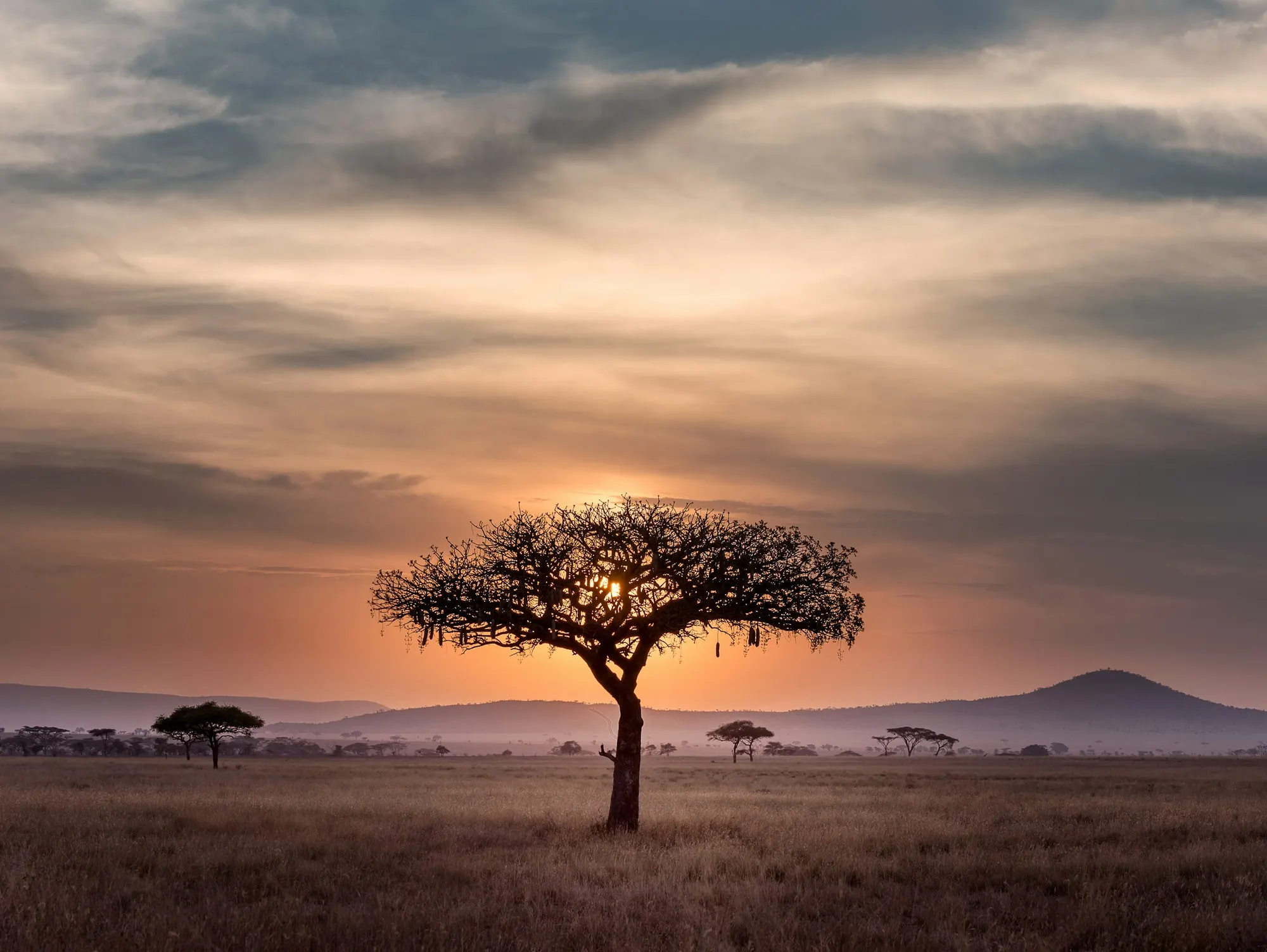
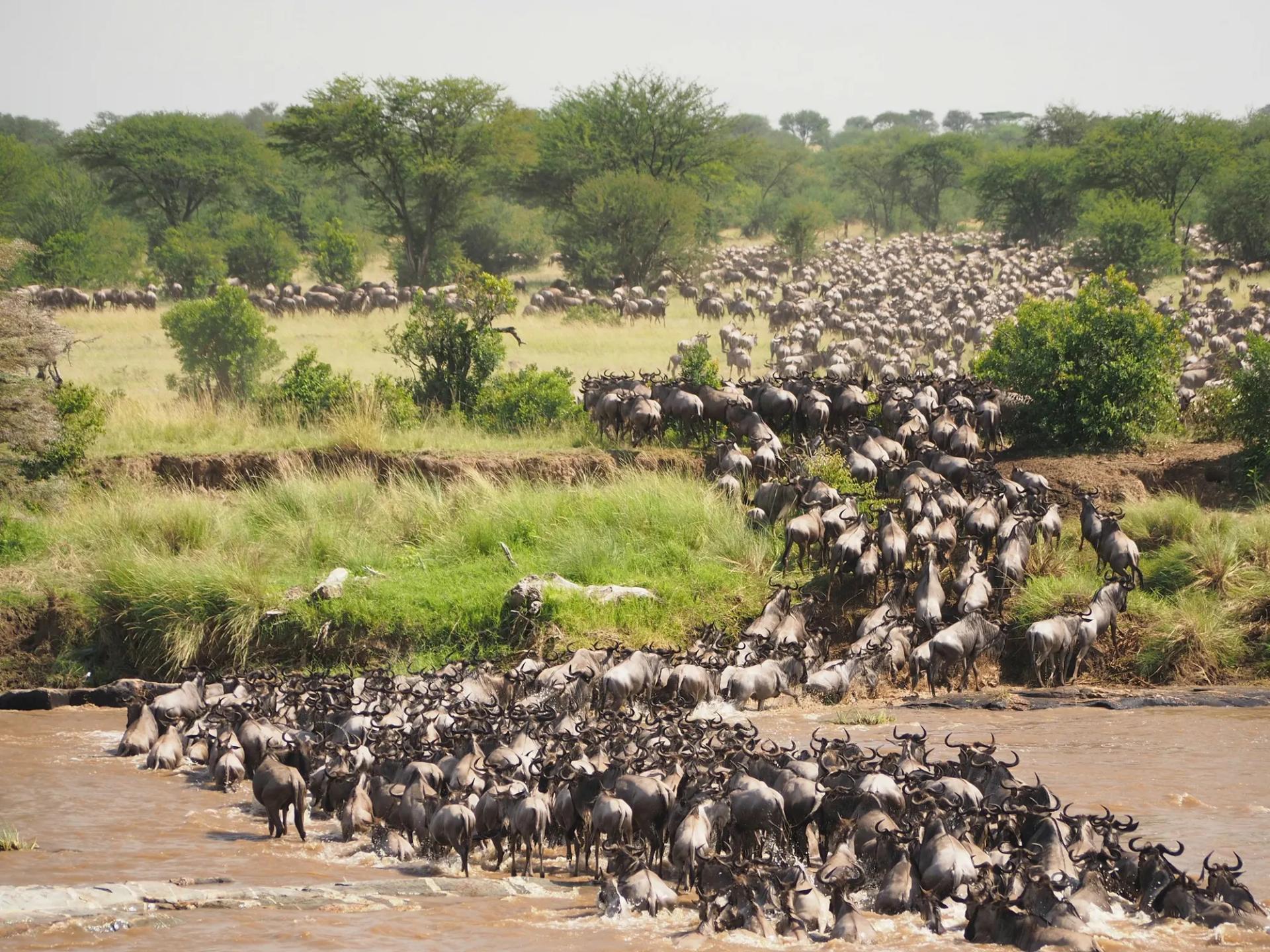
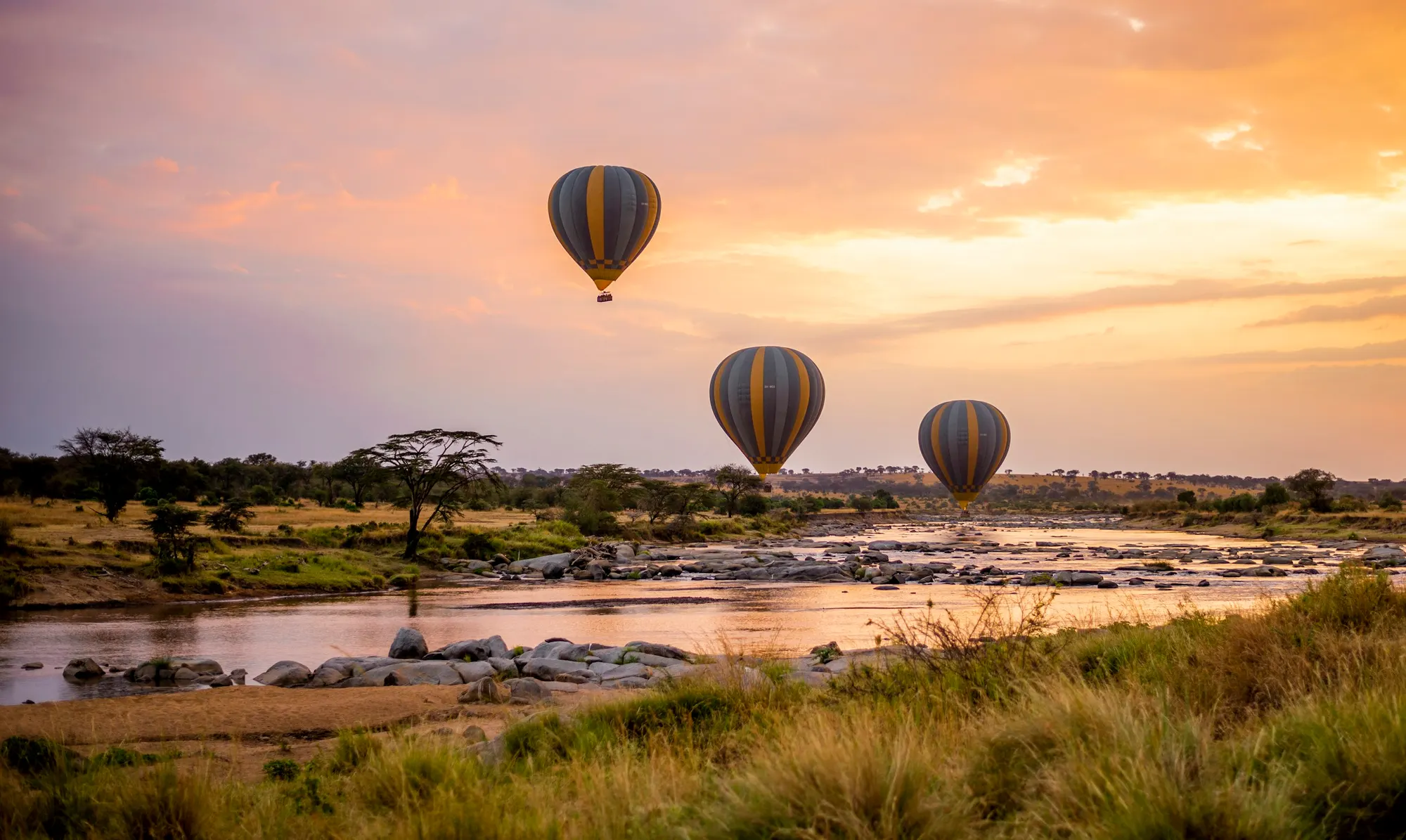
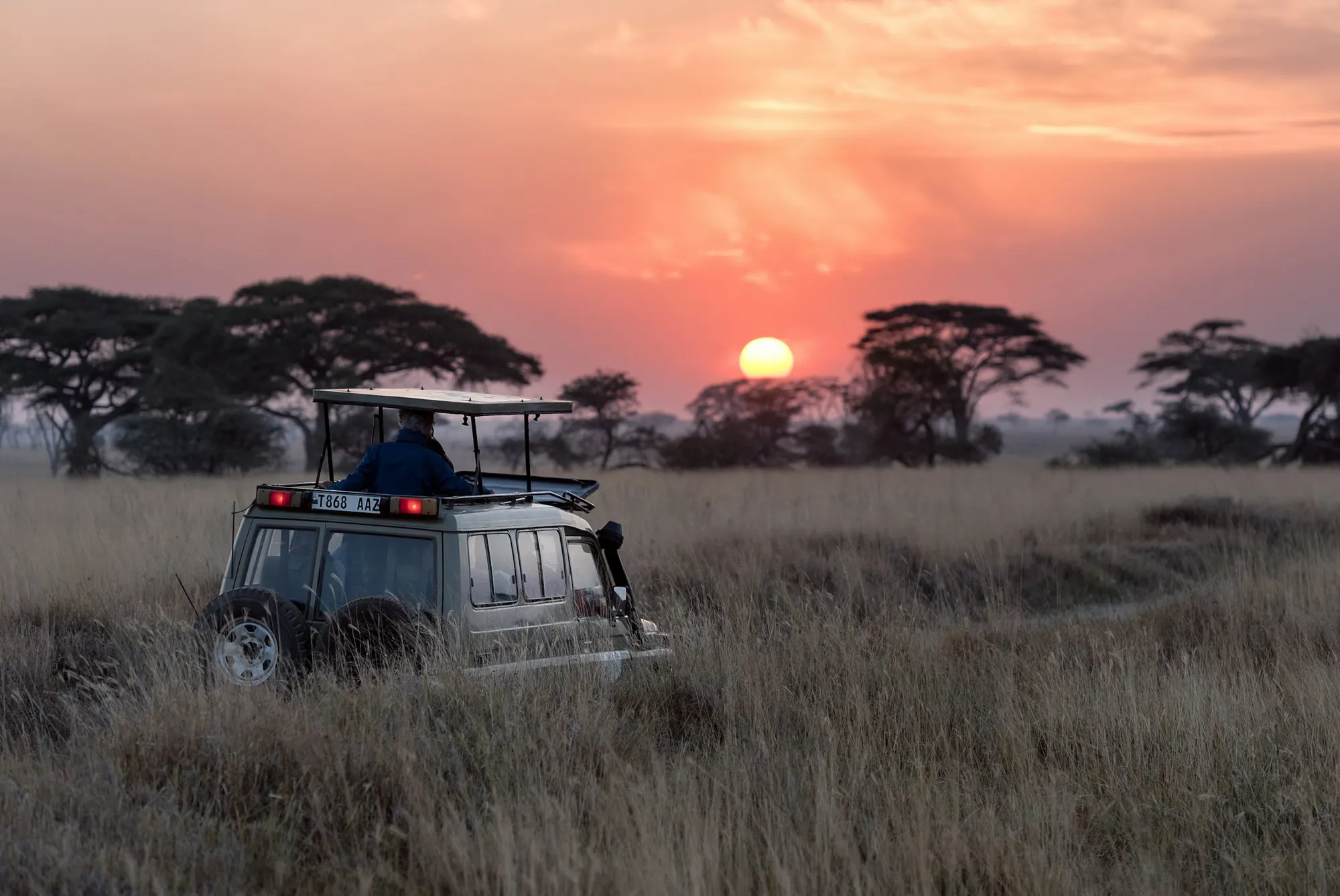
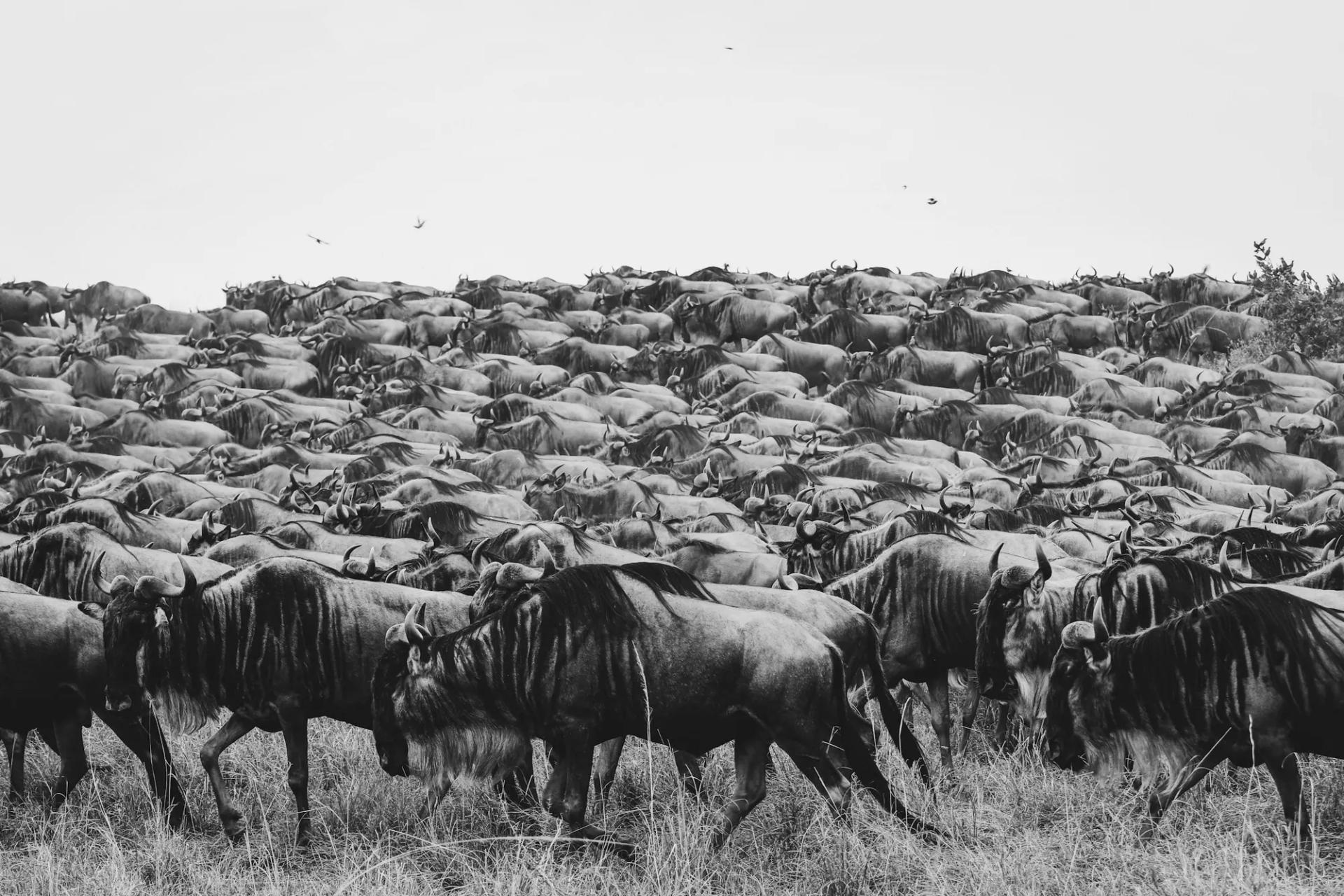
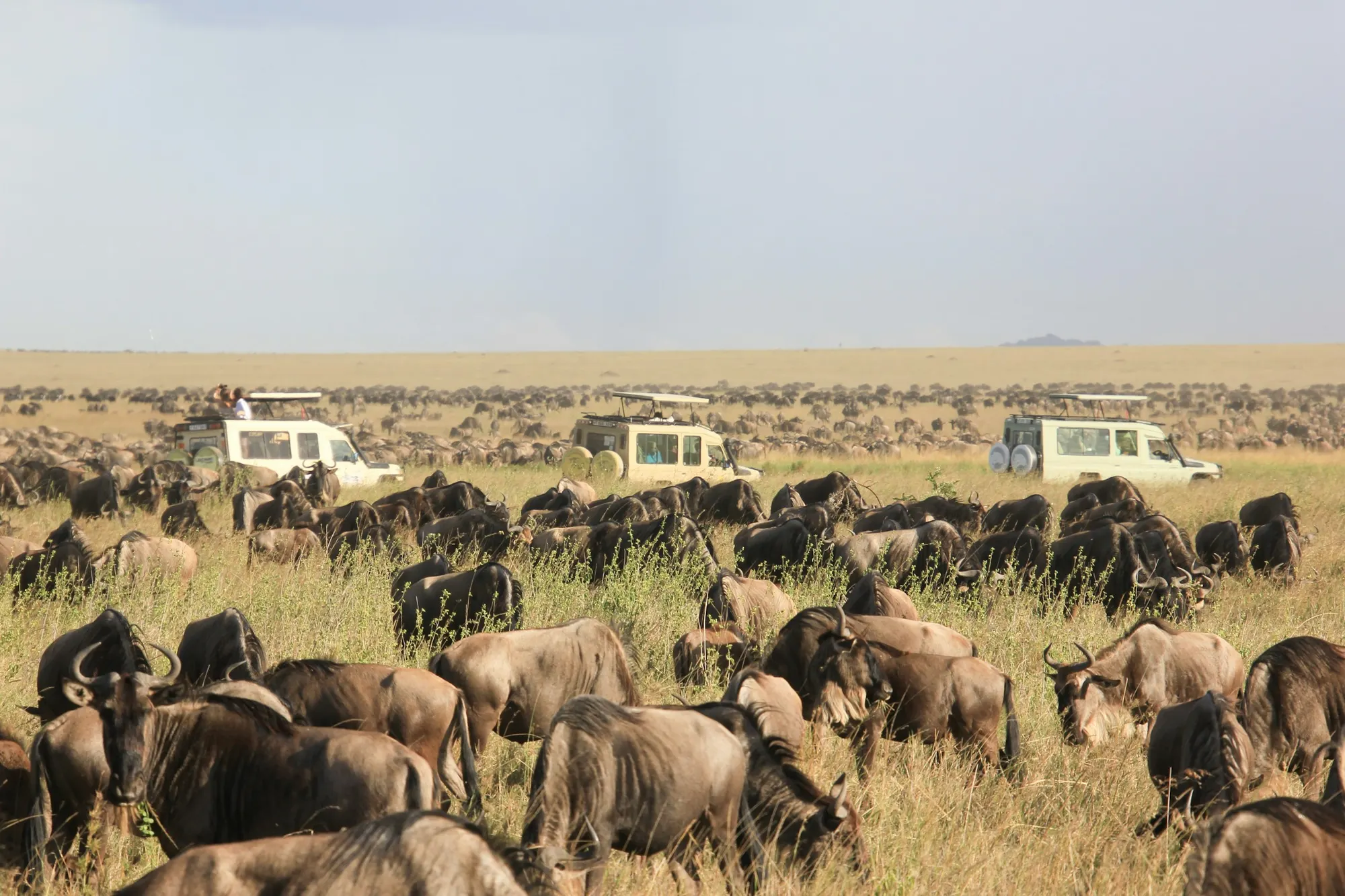
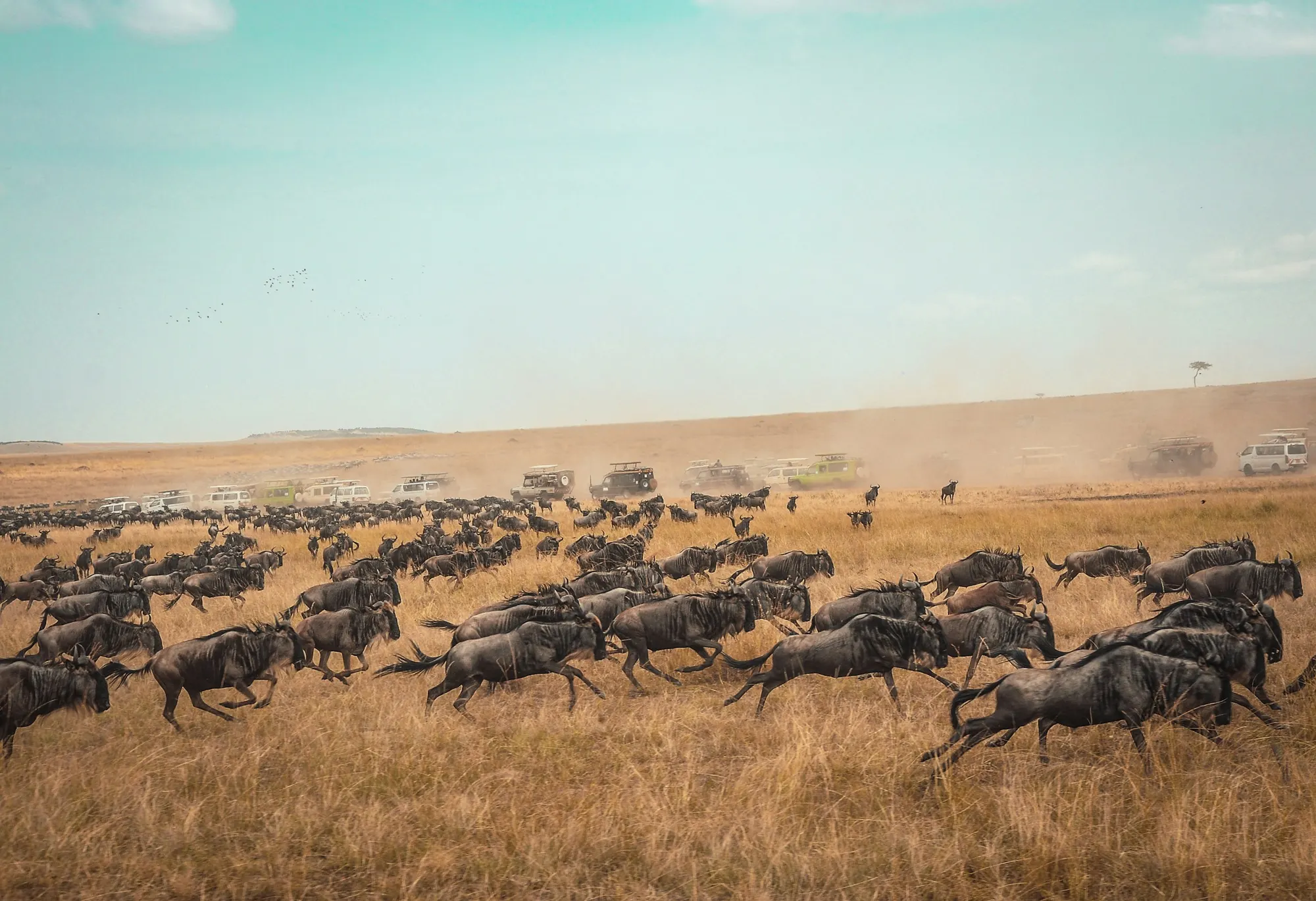
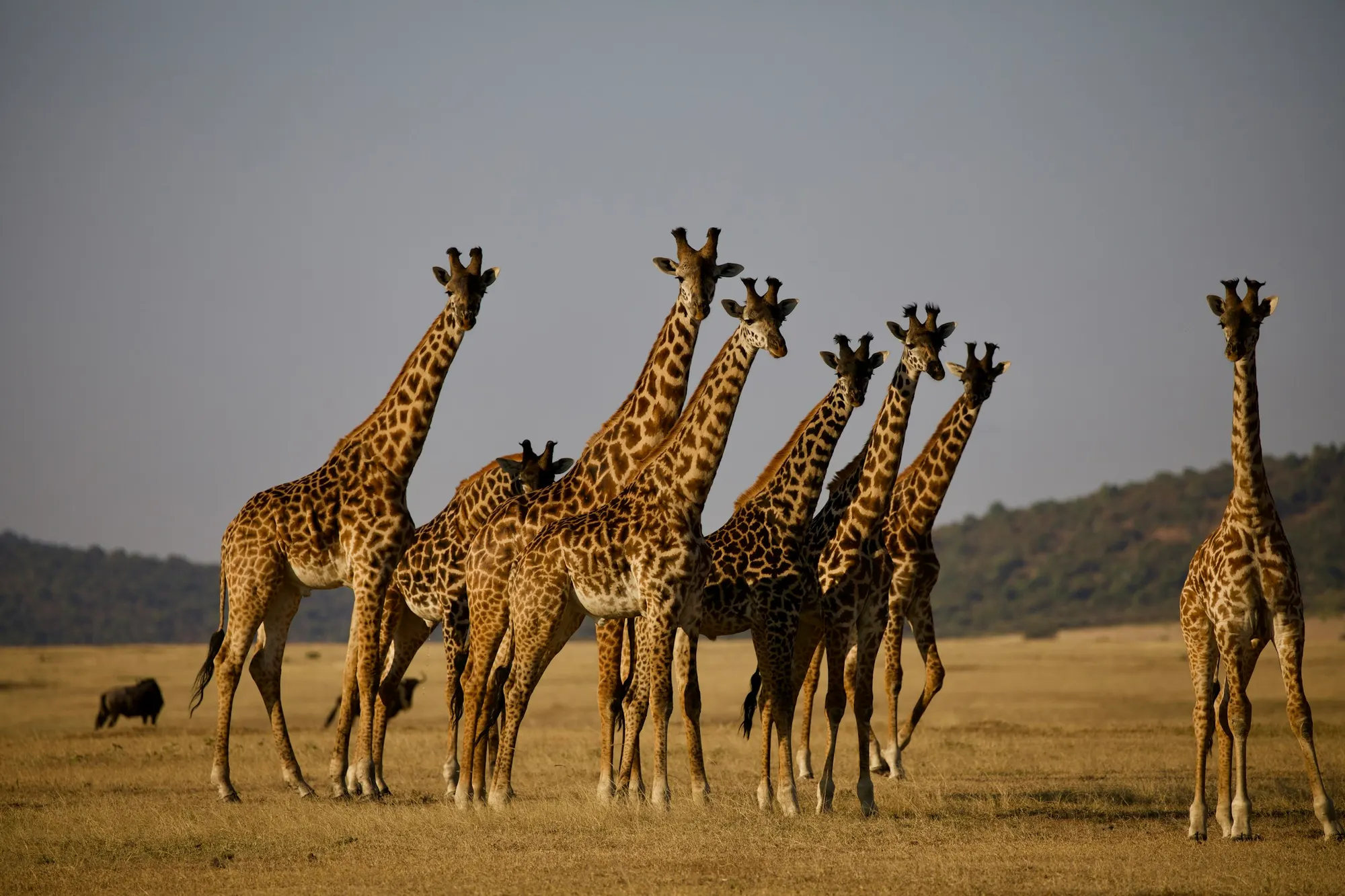
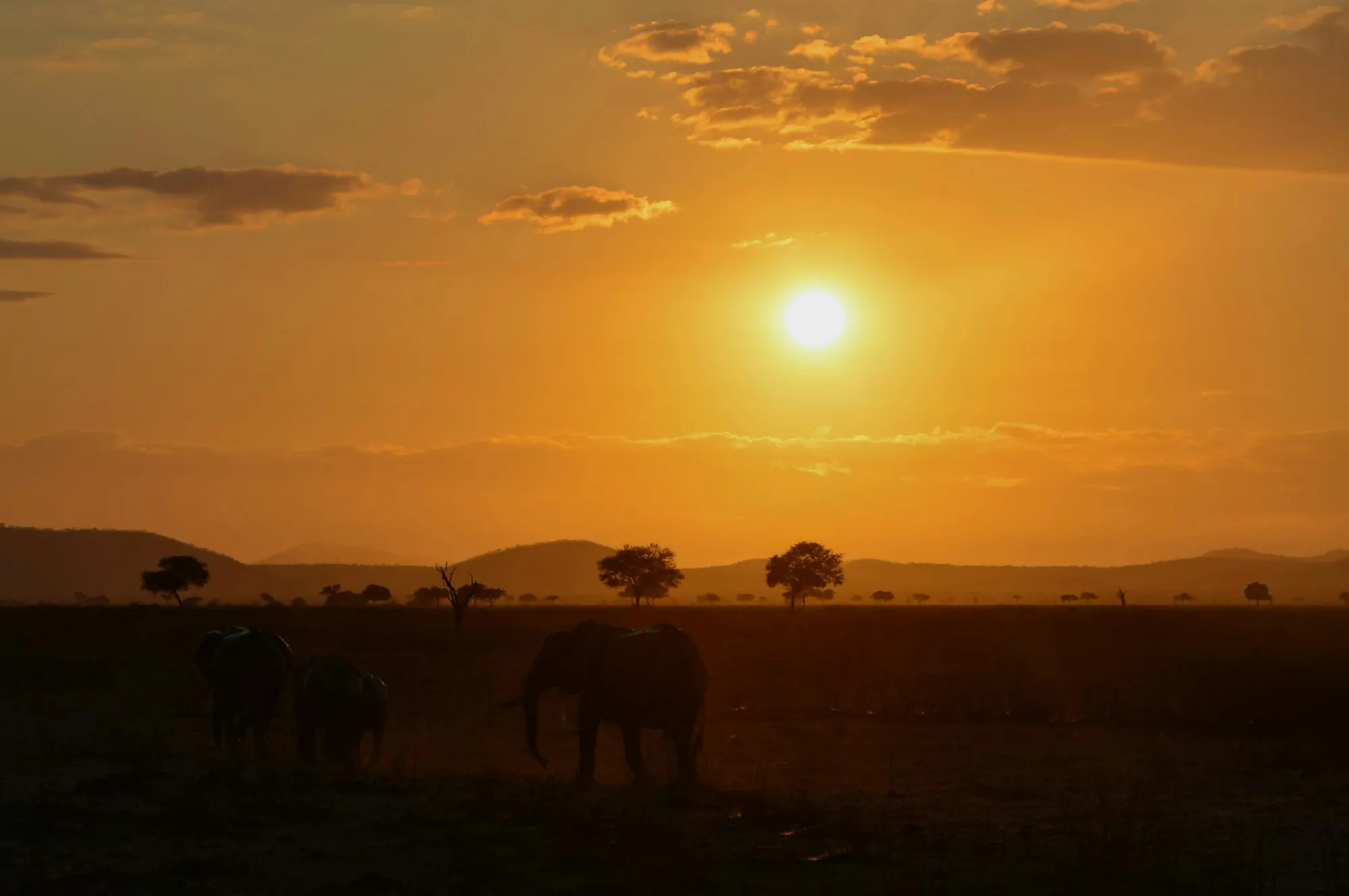
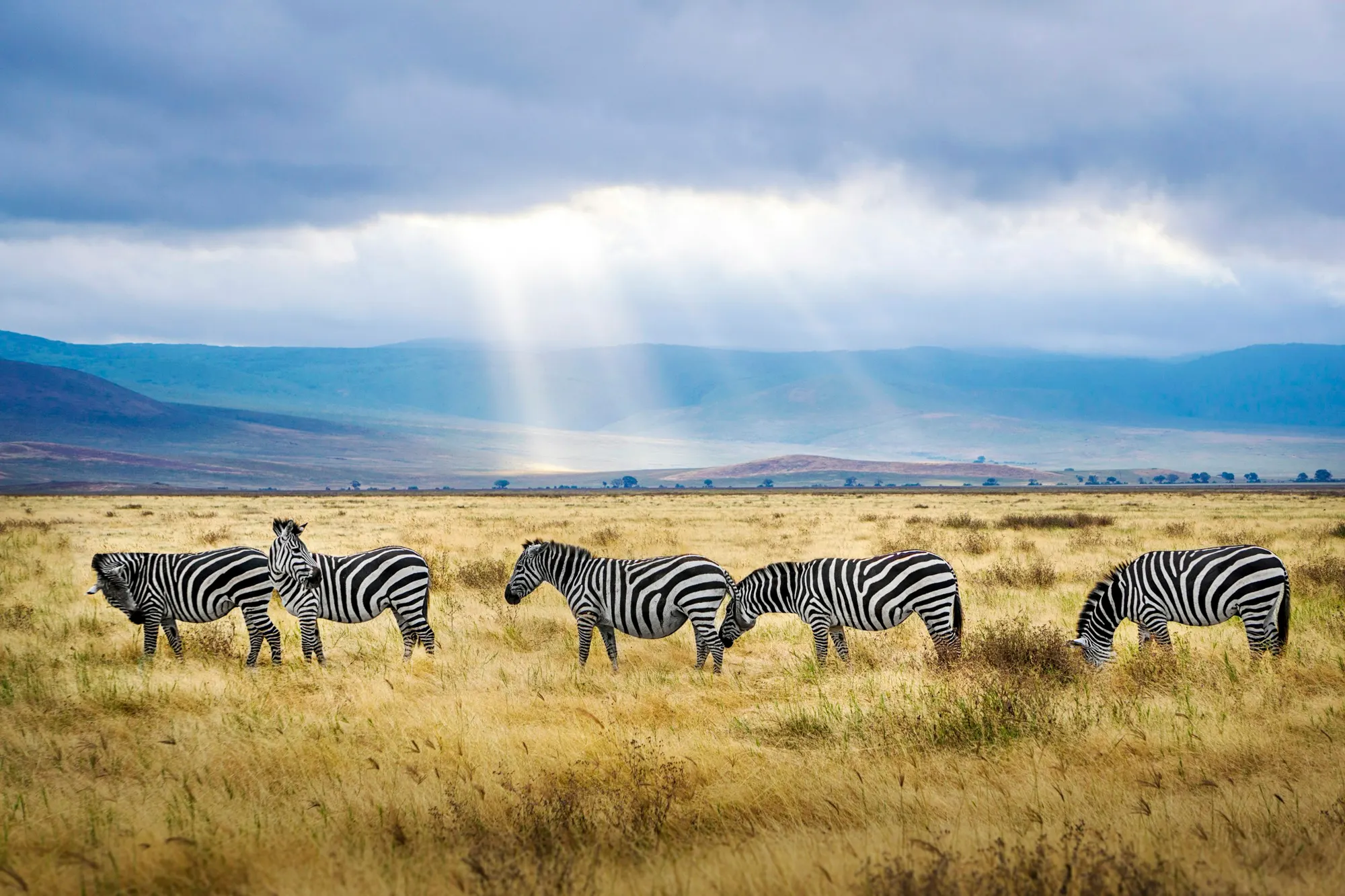
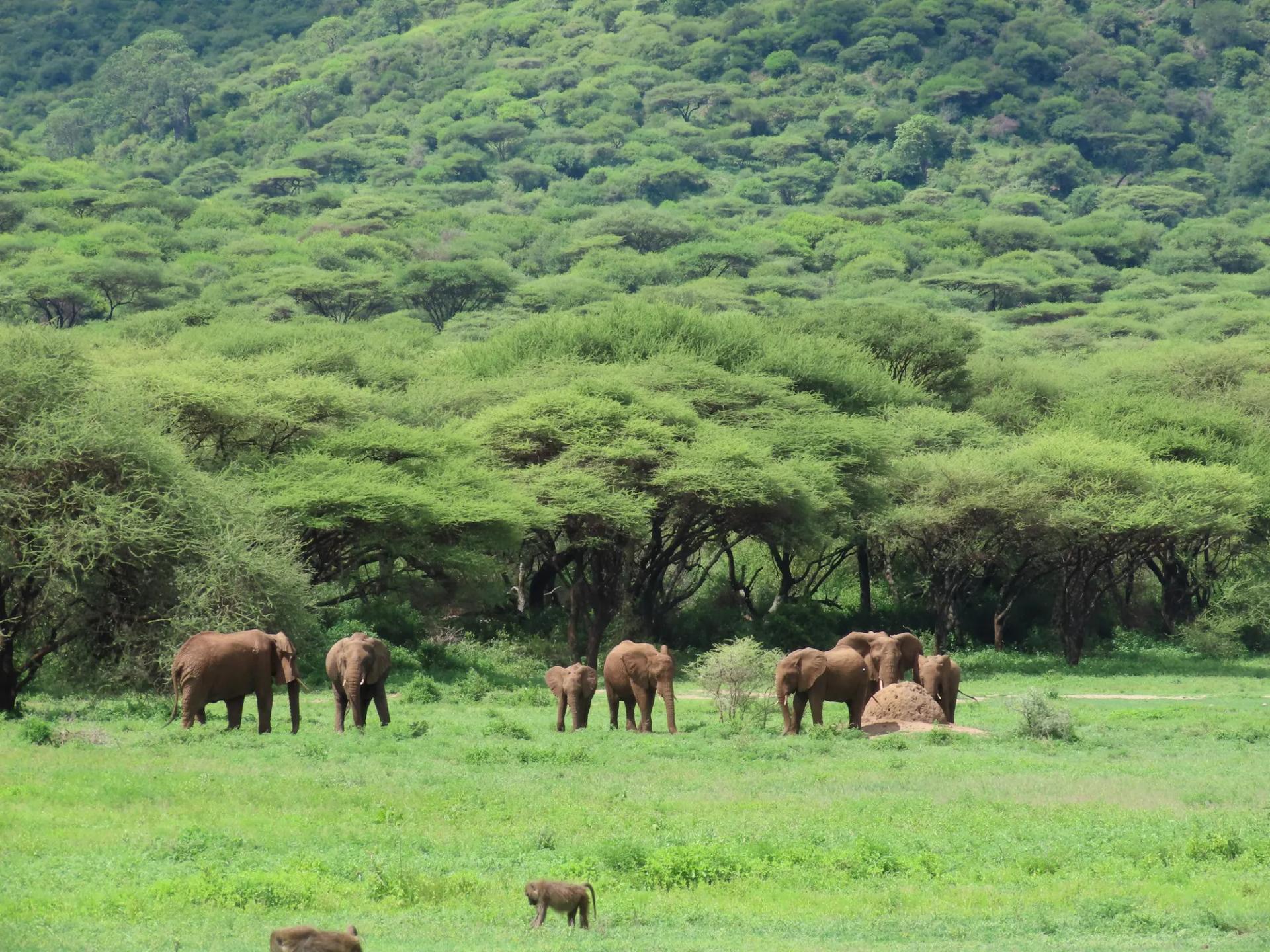
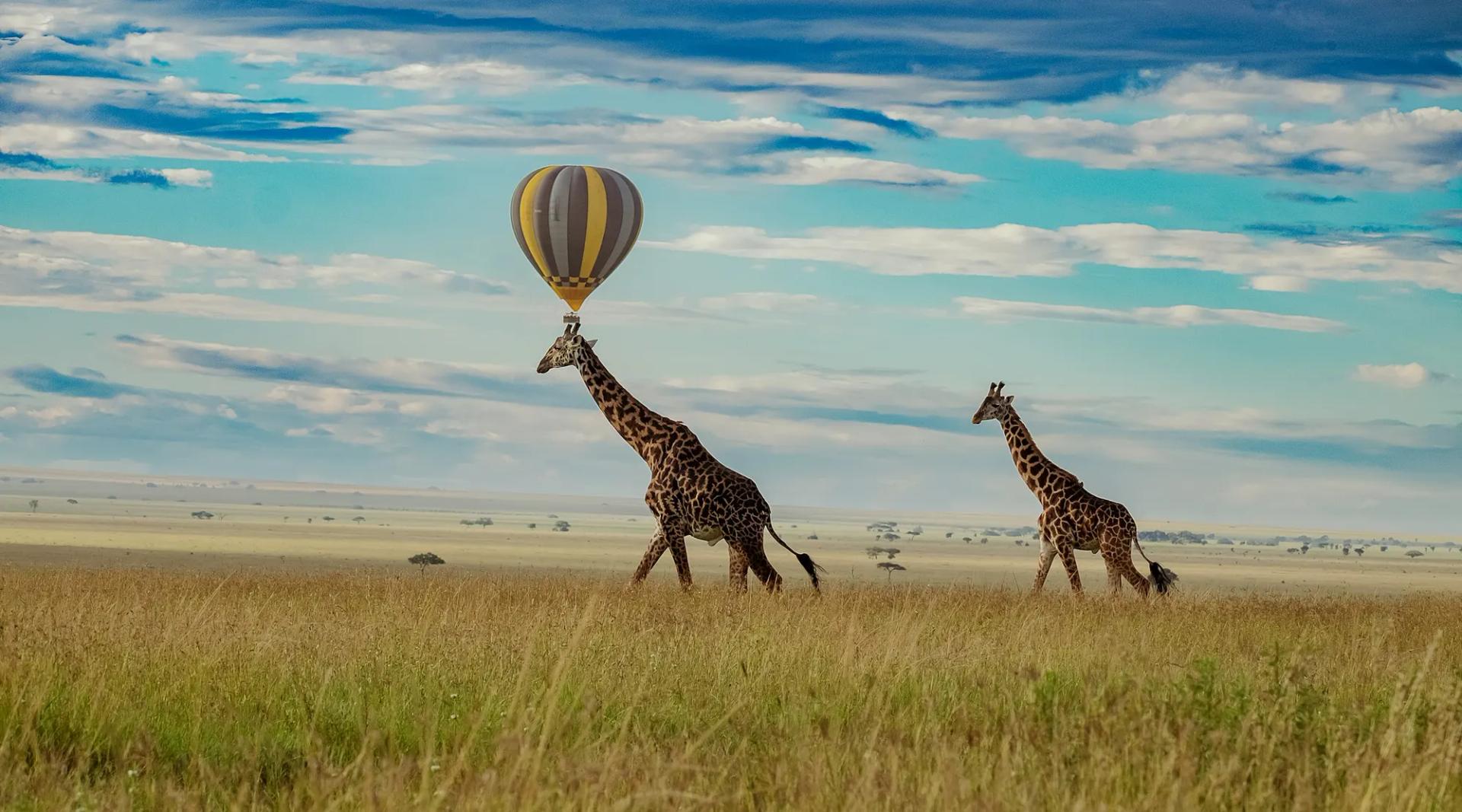
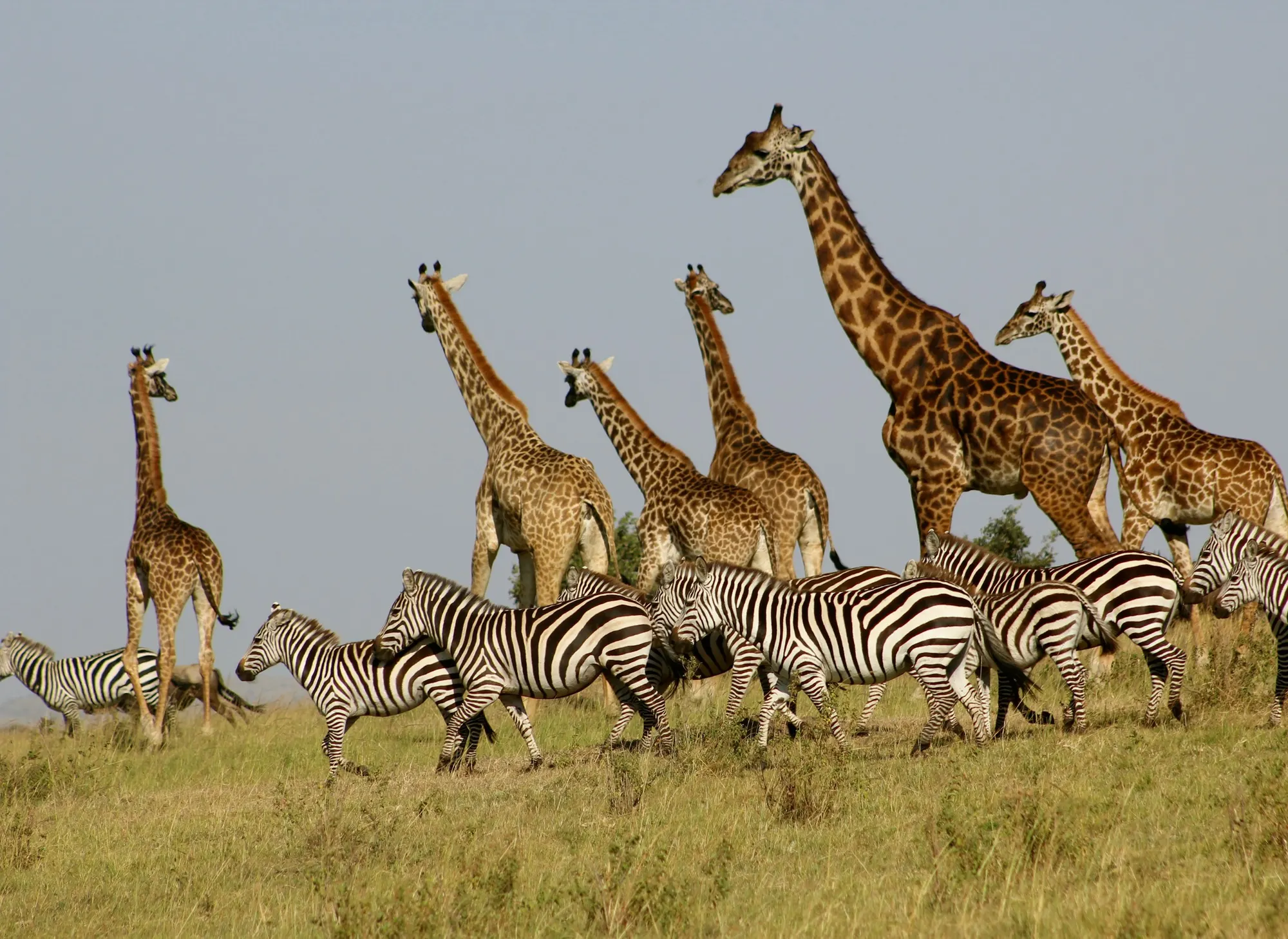
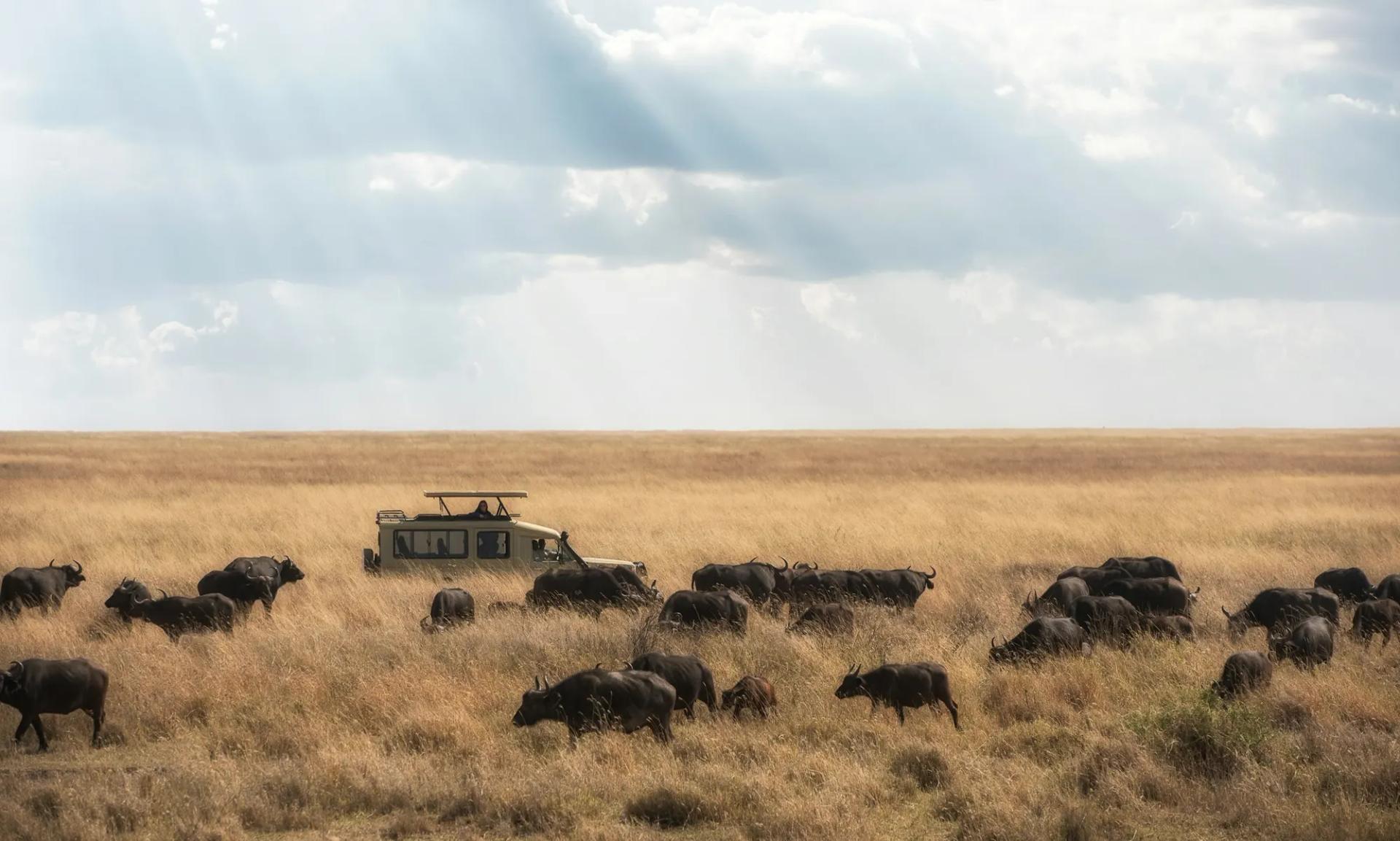
The Serengeti covers about 14,750 km² of grassland, acacia savanna and river forest in north-western Tanzania. It was established in 1940 and became a UNESCO World Heritage Site in 1981. Together with Kenya's Maasai Mara it supports the largest overland migration of mammals on earth.
The park is big enough to feel like several parks. Central Serengeti, around the Seronera valley, has resident wildlife and big cats all year. The southern plains around Ndutu are where the herds calve between December and March. The Western Corridor follows the Grumeti River, and the remote north runs up to the Mara River, scene of the famous crossings from July to October.
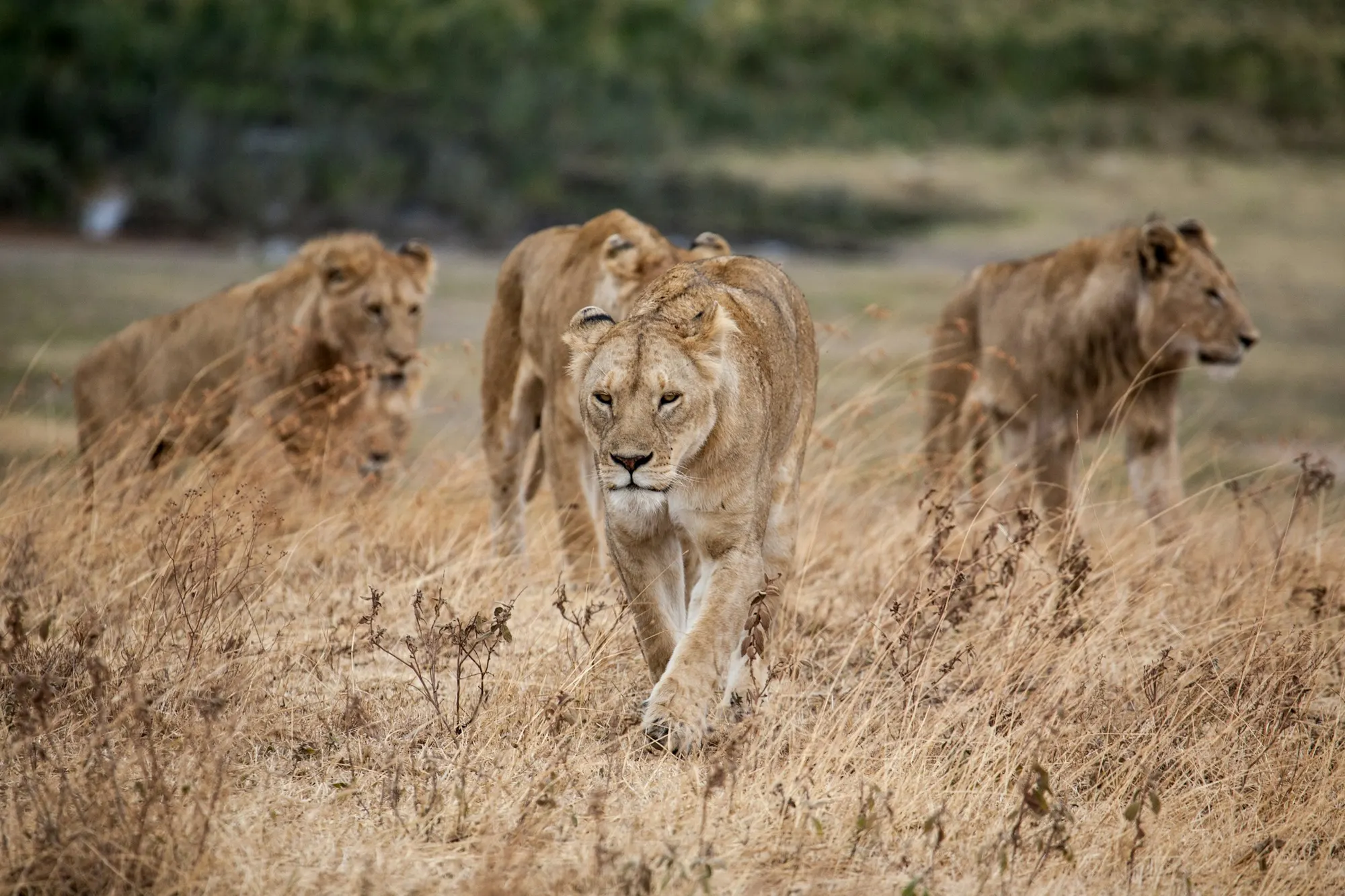
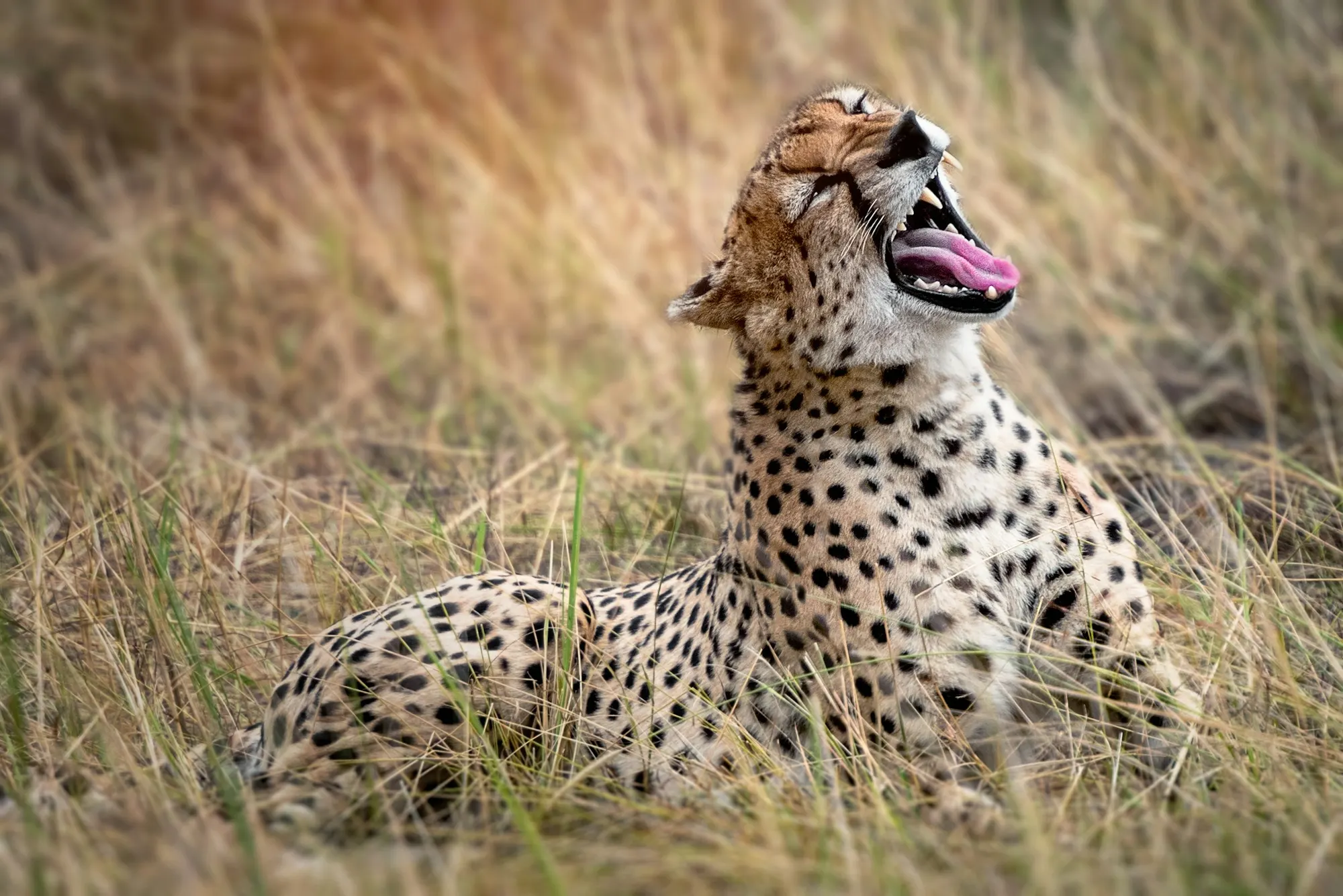
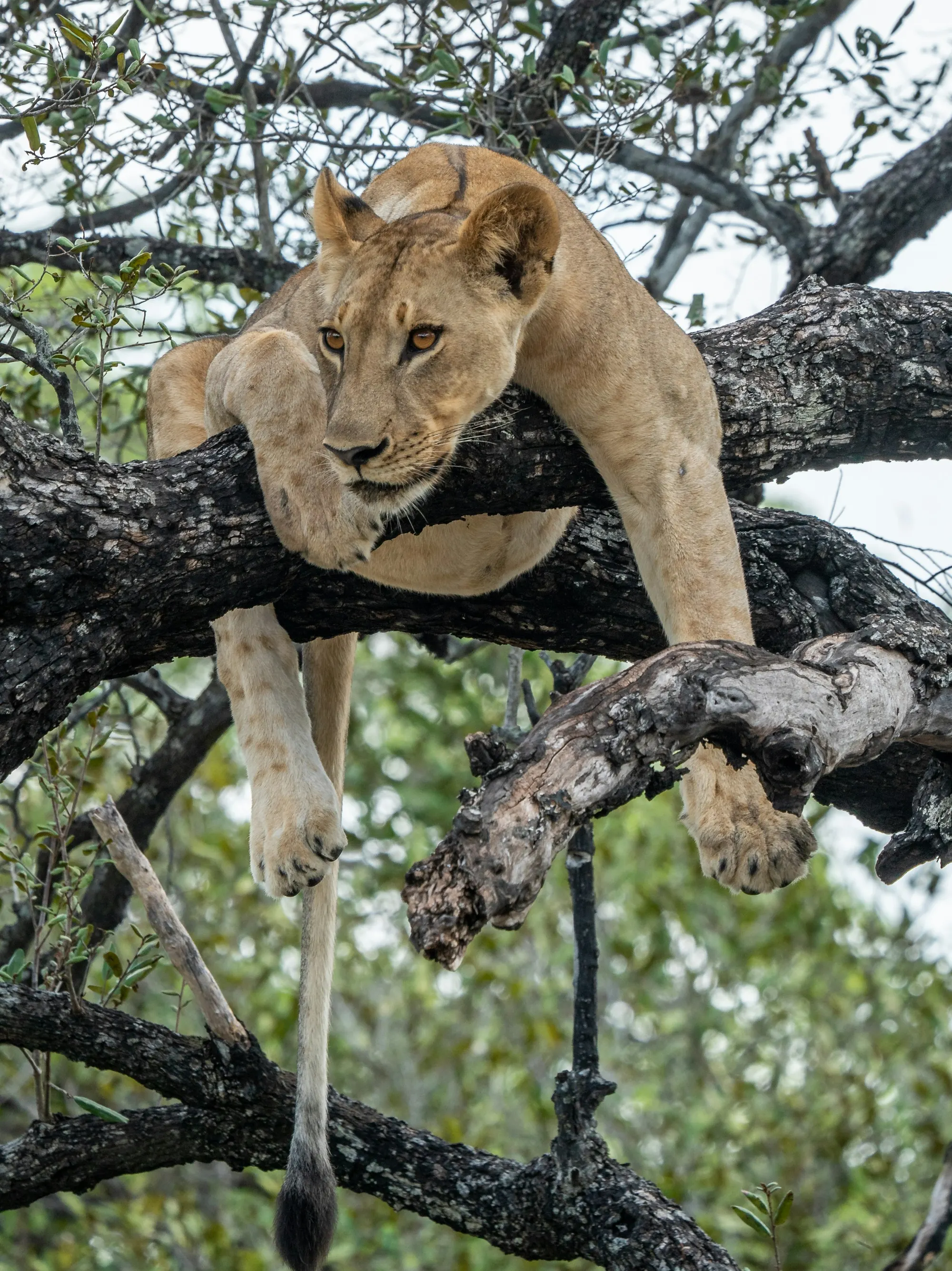
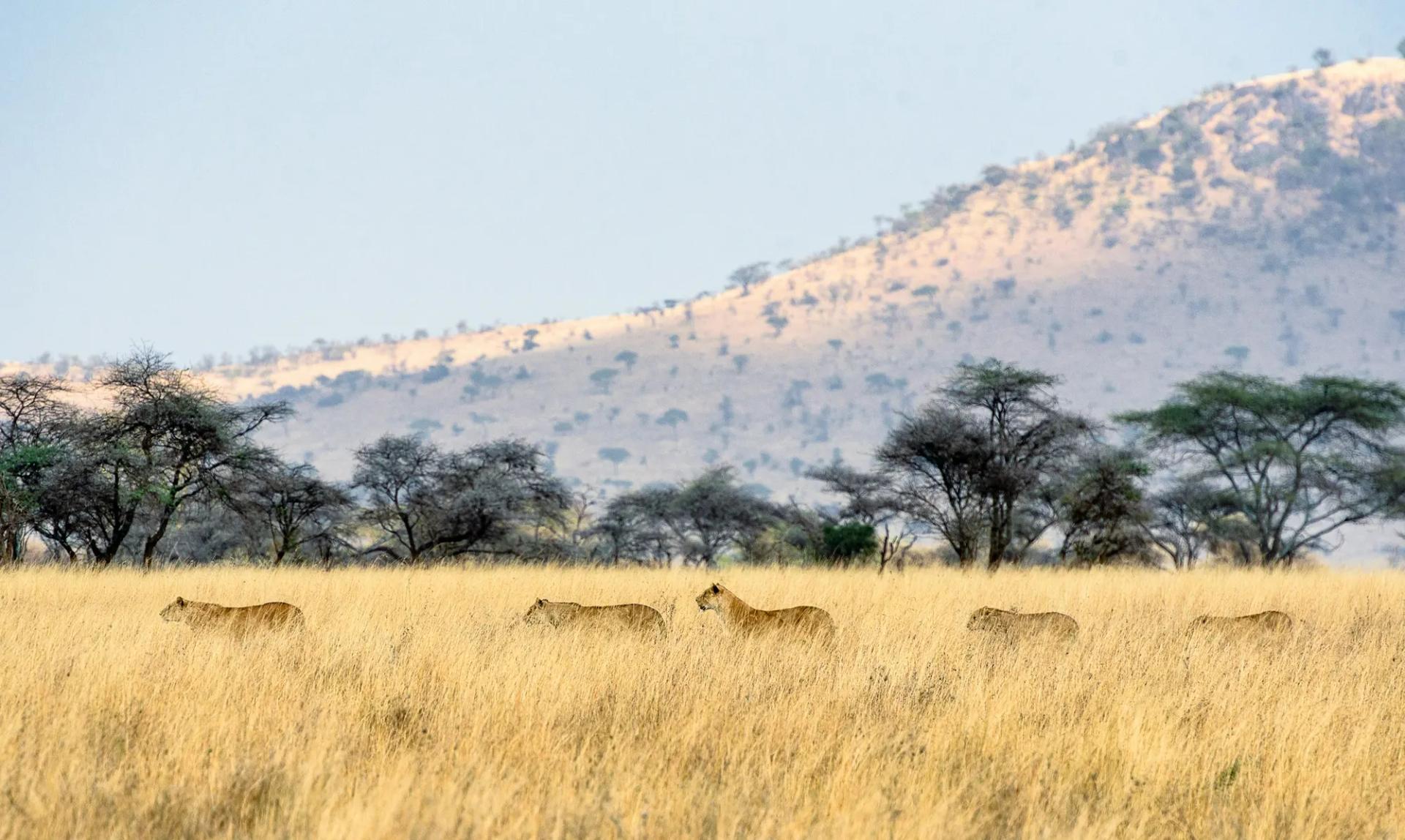
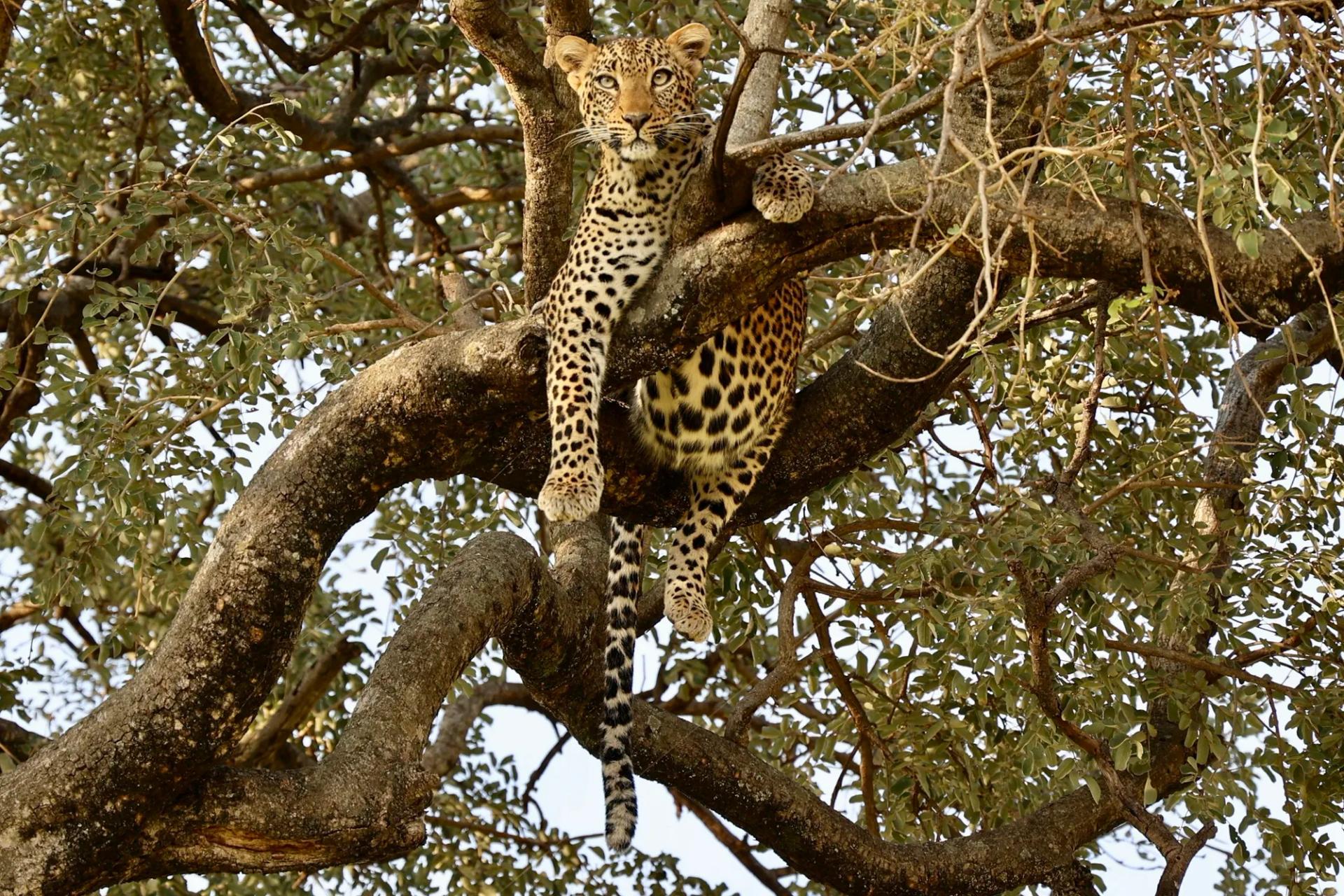
Lions are the Serengeti's signature – the wider ecosystem holds more than 3,000 – and leopard and cheetah are regularly seen. More than 500 bird species have been recorded.